

Public Housing Authorities (PHAs) are on the brink of significant changes concerning inspection protocols. With a transition from Housing Quality Standards (HQS) to the National Standards for the Physical Inspection of Real Estate (NSPIRE) underway, many PHAs are grappling with uncertainties. However, recent updates indicate there’s an opportunity for PHAs to continue using HQS for […]
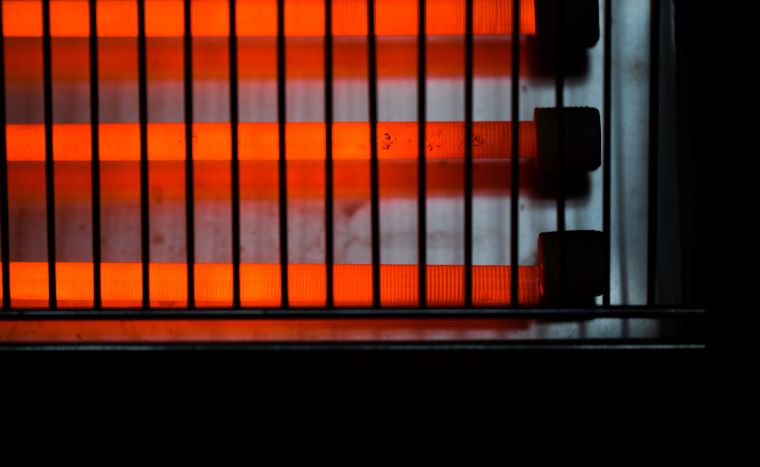
Changes to NSPIRE for HCV Fuel-Burning Space Heaters
The landscape of public housing inspections is constantly evolving. With HUD’s push towards ensuring safer and healthier living environments for all residents, the standards for property evaluations are being updated to reflect modern safety concerns. One such significant change has been introduced in the realm of Heating, Ventilation, and Air Conditioning (HVAC) – specifically concerning […]

Why Training for Meeting NSPIRE Standards is Essential
Maintaining a property that meets or exceeds the Department of Housing and Urban Development’s Real Estate Assessment Center (HUD REAC) criteria is a complex task that requires a multi-faceted approach. One critical aspect that’s often overlooked is staff training. Training for meeting NSPIRE standards is essential to successfully passing REAC inspections. Property managers, maintenance personnel, […]

The Future of REAC Inspections: What to Expect in the Coming Years
As the housing landscape evolves, so too do the metrics and methodologies for assessing property quality and safety. The Department of Housing and Urban Development’s Real Estate Assessment Center (REAC) is no exception. The REAC inspection process has undergone several changes since its inception, including the recently introduced NSPIRE protocols, which aim to provide a […]

HUD Housing Management Best Practices: Maintaining High REAC Scores
Achieving a high score on the Real Estate Assessment Center’s (REAC) inspections is not just a one-time event; it’s an ongoing process that requires thoughtful planning, meticulous attention to detail, and proactive property management. Maintaining high REAC scores not only keeps you in good standing with the Department of Housing and Urban Development (HUD), but […]

The Top 10 Most Common REAC Inspection Deficiencies and How to Avoid Them
If you’re a property owner or manager, you’re likely familiar with the U.S. Department of Housing and Urban Development (HUD) Real Estate Assessment Center (REAC) inspections. These inspections ensure that subsidized housing meets certain safety and quality standards. However, the inspection process can be stressful and fraught with uncertainty if you’re not well-prepared. At The […]

Expert Tips for Navigating REAC Appeals
The U.S. Department of Housing and Urban Development’s (HUD) Real Estate Assessment Center (REAC) inspections are rigorous, and for a good reason—they ensure that housing meets crucial safety and quality standards. But what if you believe the results of your inspection were not accurate or fair? Fortunately, HUD provides a mechanism for challenging these outcomes: […]

The Human Impact: How NSPIRE Protocols Influence Tenant Safety and Well-being
The introduction of the NSPIRE (National Standards for the Physical Inspection of Real Estate) protocols by the U.S. Department of Housing and Urban Development (HUD) this year is more than just a bureaucratic update. It represents a profound shift in how we understand and prioritize tenant safety and well-being. In this article, we’ll delve deep […]

The Evolution of REAC Inspections: Inception to NSPIRE
The REAC (Real Estate Assessment Center) Inspections have undergone significant transformations since their inception, with the goal to ensure better housing quality standards. This article charts the course of these inspections, from their roots to the present-day NSPIRE protocols, shedding light on the continual efforts to improve housing safety and conditions. 1990s: The Birth of […]
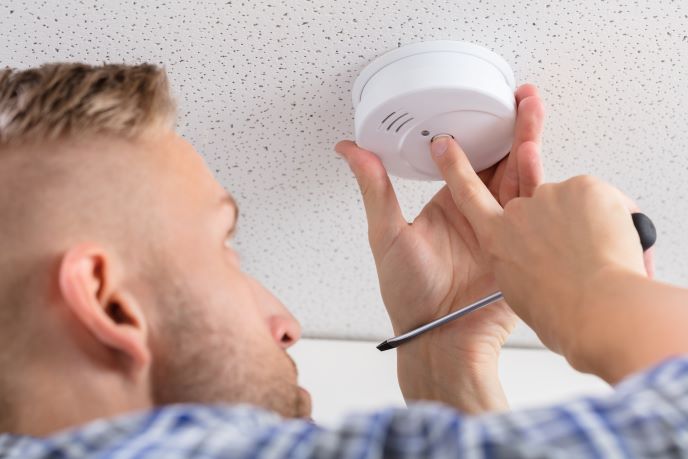
The Non-Scoring Aspects of NSPIRE Protocols are Still Important
In the realm of property management and regulatory compliance, not all items hold equal weight. However, it’s essential to recognize that lack of scoring doesn’t necessarily equate to unimportance. The recently released NSPIRE Final Scoring Notice, dated July 7, 2023, clarifies this point, suggesting that the non-scoring aspects of NSPIRE protocols are still important and […]
Recent Posts

Top Mobile Tools for On-Site Property Managers
February 25, 2026

When Tenants Refuse Access: Legal Strategies for Inspection Day
February 18, 2026

Navigating Capital Fund Projects and Physical Upgrades in Public Housing
February 11, 2026

How to Properly Inspect Fire Extinguishers in HUD Properties
February 4, 2026