
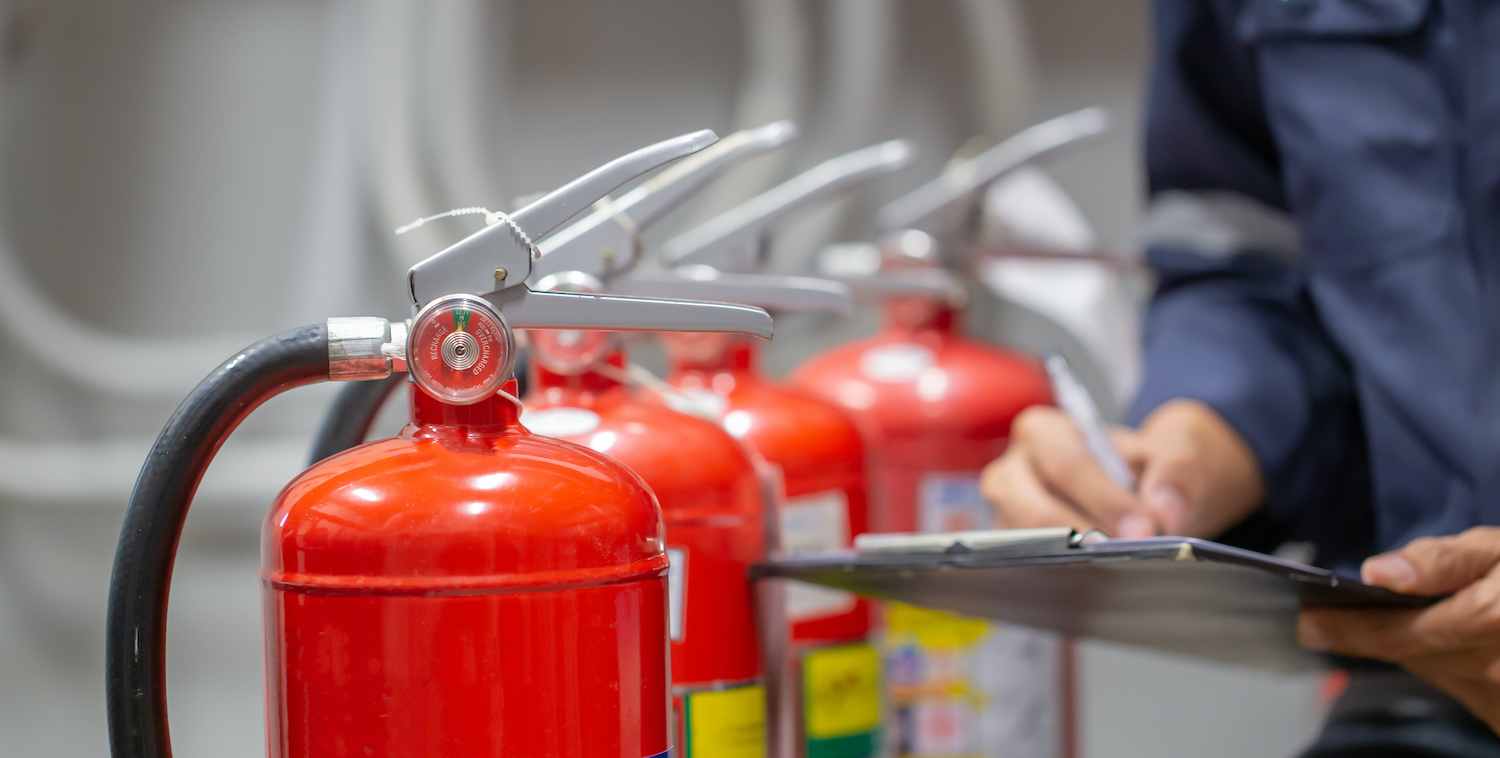
Conducting a proper HUD fire extinguisher inspection is essential for maintaining resident safety and ensuring compliance with HUD’s updated NSPIRE standards. In affordable housing communities, overlooked fire extinguisher maintenance can lead to failed inspections, funding delays, or immediate remediation orders. Property managers, landlords, and public housing authorities must be prepared with proactive strategies to remain inspection-ready.
What Is a HUD Fire Extinguisher Inspection Under NSPIRE?
The NSPIRE (National Standards for the Physical Inspection of Real Estate) protocol, which replaces the older REAC system, introduces a safety-driven assessment model. One key focus area is fire extinguishers, categorized under NSPIRE’s “Building Systems” domain. These devices are frequently cited in violation reports, making them a priority for compliance.
To pass a HUD fire extinguisher inspection, properties must demonstrate the following under NSPIRE guidelines:
- Accessibility: Extinguishers must be clearly visible, unobstructed, and easily reachable in required locations, including hallways, mechanical rooms, and common areas.
- Correct Pressure: The pressure gauge must be within the green (operable) zone.
- Inspection Tag: A legible tag must confirm monthly visual checks and a valid annual maintenance certification.
- Proper Mounting: Extinguishers under 40 pounds must be mounted with the top no higher than 5 feet from the floor; larger extinguishers must be mounted no higher than 3.5 feet. The bottom must remain at least 4 inches from the floor.
- No Signs of Damage: Deficiencies such as corrosion, missing safety pins, or expired service records result in non-compliance.
For Housing Choice Voucher (HCV) units, most PHAs now implement NSPIRE-V or may still use HQS. In both systems, fire extinguisher presence and operability remain standard inspection criteria. Always verify with your local PHA to confirm which protocol applies.
Top Reasons Fire Extinguishers Fail a HUD Inspection
The Inspection Group has supported hundreds of HUD property evaluations. Common fire extinguisher violations continue to surface during HUD fire extinguisher inspections due to simple oversights. Recognizing these problems—and how to prevent them—can significantly improve your inspection outcomes.
- Missing Monthly Tags: Inspectors expect a monthly check documented with a signed and dated tag. Even with third-party vendors, the on-site team remains responsible for verification.
- Obstructions: Do not allow extinguishers to be hidden behind furniture, locked doors (unless labeled and accessible), or inside closets. Utility spaces are common violation points.
- Tampered Seals and Pins: A missing safety pin or a broken tamper seal automatically fails an inspection. Train staff to inspect this during site walkthroughs.
- Insufficient Coverage: Avoid clustering extinguishers near leasing offices or shared spaces while neglecting residential units. Use fire code mapping to ensure adequate coverage.
- Expired Hydrostatic Testing: Depending on the extinguisher model, testing is required every 5 to 12 years. Keep certificates available for review during file inspections.
Routine internal audits can catch these issues early. Aligning inspection routines with NSPIRE standards helps you avoid compliance gaps and improve asset management.
How to Perform a Monthly HUD-Compliant Fire Extinguisher Inspection
Passing a HUD fire extinguisher inspection requires proactive monthly checks that follow a standardized routine. Whether conducted by in-house maintenance teams or third-party contractors, follow these critical steps:
- Ensure each extinguisher is visible, upright, and securely mounted at the correct height.
- Confirm the pressure gauge needle is in the green zone.
- Check that the pin and tamper seal are present and unbroken.
- Inspect for damage, corrosion, dents, or leaks on the cylinder.
- Verify the inspection tag is up to date with the latest monthly initials and date.
- Note expiration dates and service schedules to prepare for needed maintenance or replacement.
Document results in a centralized fire safety log—digital platforms like mobile inspection apps streamline accessibility and organization. HUD inspectors and NSPIRE contractors may request these logs during audits or reviews.
For Housing Choice Voucher inspections, check whether your local PHA still uses HQS or has transitioned to NSPIRE-V. Requirements may differ for smaller buildings or complexes not regulated by municipal fire codes, but in general, HUD expects functionality, clarity, and coverage.
Improving Compliance Through Training, Tools, and Oversight
Maintaining a compliant property requires more than just inspections—it demands a culture of safety and consistent oversight. Use these proven strategies to support your HUD fire extinguisher inspection readiness across one or multiple properties:
- Train Maintenance Teams: Educate frontline personnel to spot extinguisher violations and include fire safety as part of weekly walkthroughs.
- Use Standardized Checklists: Adopt inspection forms or mobile apps that mirror NSPIRE inspection points for streamlined checks and documentation.
- Partner with Licensed Vendors: Schedule annual fire extinguisher servicing, hydrostatic testing, and barcode tracking through certified contractors. Save all documentation for inspections.
- Audit Twice Annually: In addition to monthly checks, conduct bi-annual internal audits that include storage rooms, basements, stairwells, and laundry facilities.
- Monitor NSPIRE Updates: HUD frequently revises compliance criteria. Stay informed through HUD.gov or trusted partners like The Inspection Group’s resource library.
These actions not only help meet inspection requirements but also improve tenant safety—one of HUD’s core priorities.
Partner With The Inspection Group for Safe, Compliant Properties
Preparing for a HUD fire extinguisher inspection doesn’t have to be overwhelming. Whether your property is part of the Section 8 project-based program, the HCV initiative, or another HUD-subsidized portfolio, The Inspection Group offers expert tools, staff training, inspection readiness assessments, and consulting services tailored to HUD’s evolving standards.
If you’re facing an upcoming inspection or want to proactively raise your compliance standard, contact The Inspection Group today. Our team of certified HUD consultants will help ensure your units not only pass inspections—but set a benchmark in resident safety and regulatory excellence.