Ensuring the safety and compliance of electrical systems in affordable housing units is paramount. Conducting a GFCI AFCI outlet breaker inspection in HUD housing is crucial for maintaining HUD compliance under the latest NSPIRE standards. This article guides property managers, landlords, and housing authority staff on conducting effective inspections. Our focus keyword is “GFCI AFCI outlet breaker inspection HUD,” tailored to assist you in maintaining top-notch compliance and safety standards.
Understanding GFCI and AFCI Outlets and Breakers
Ground Fault Circuit Interrupter (GFCI) and Arc Fault Circuit Interrupter (AFCI) devices enhance electrical safety in residential units. GFCIs protect people from electric shock by cutting off power when a ground fault is detected. They are commonly found in areas prone to wetness, such as kitchens, bathrooms, and laundry rooms. AFCIs, on the other hand, protect against fires caused by electrical arcs by de-energizing the circuit when an arc fault is sensed, proving essential in living rooms, bedrooms, and other areas.
The latest HUD NSPIRE standards mandate that these devices must be properly installed and functioning. This is followed closely during inspections to ensure tenant safety and prevent potential liabilities for property managers and owners. Understanding where GFCIs and AFCIs are required is the first step toward successful inspections. For instance, the National Electrical Code (NEC) may be referenced to verify the locations where these outlets need to be installed in accordance with federal guidelines.
Inspection Techniques for GFCI and AFCI Devices
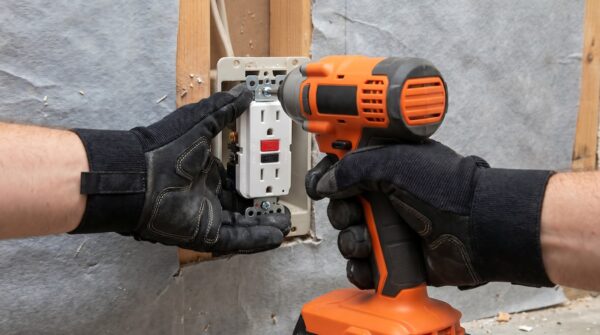
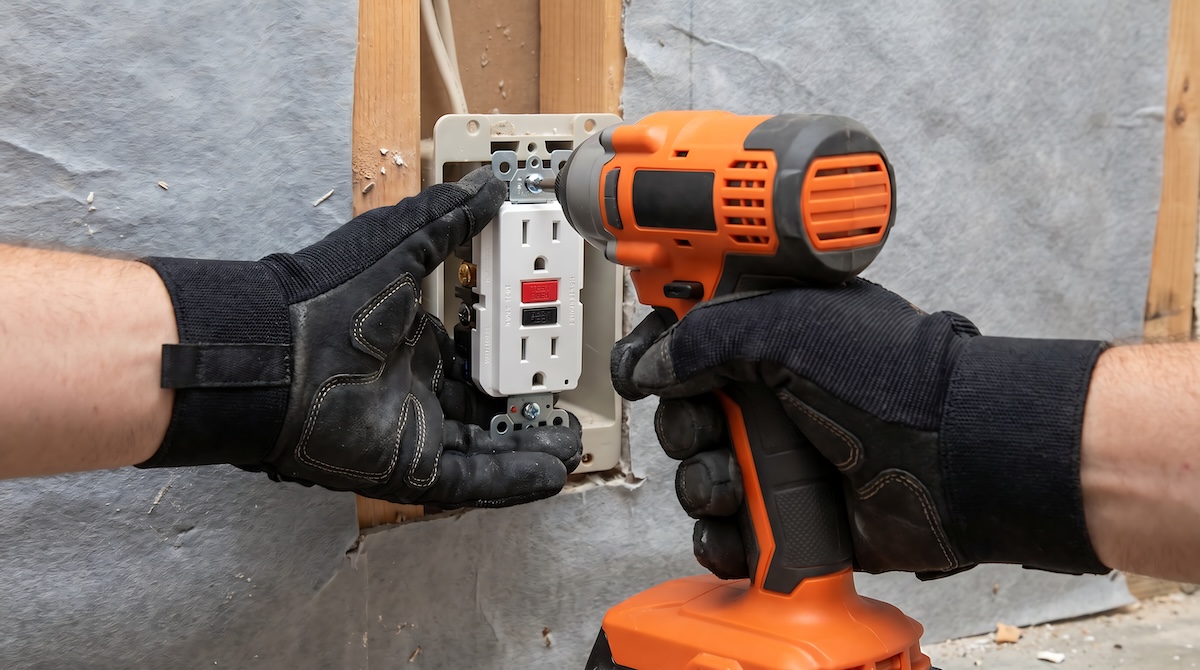
To successfully navigate a GFCI AFCI outlet breaker inspection in HUD housing, inspectors should adopt a comprehensive approach. Start with a visual inspection, ensuring that GFCI and AFCI outlets are present in required locations. Check for physical damage, proper labeling, and reset buttons in GFCIs. Next, perform a functionality test using an outlet tester with GFCI testing capability. Plug the device into the outlet and press the test button. The outlet should cut off power, indicating it functions correctly. Remember to reset the outlet afterward.
For AFCI breaker inspections, visually inspect the breaker panel to ensure each breaker is labeled correctly and matches the specified circuit it protects. Use specialized testing equipment to simulate fault conditions, confirming that the AFCI trips as expected. Recording all findings and documenting any deficiencies are vital steps in these inspections.
Compliance and Best Practices
Compliance with NSPIRE and Section 8 requirements is paramount for the ongoing functionality of affordable housing programs. Regular testing and maintenance routines are recommended to keep GFCI and AFCI outlets and breakers in peak condition. To improve inspection readiness, ensure that all circuits with AFCI and GFCI protection are marked on electrical panels and that residents are educated on the use and importance of these safety measures.
An example of leveraging compliance knowledge is ensuring that older properties undergoing renovations are updated to current standards, including retrofitting older electrical systems with compliant GFCI and AFCI protection as per HUD’s guidelines. This proactive approach not only prevents inspection violations but also enhances tenant safety and satisfaction.
Steps to Avoid Violations and Improve Readiness
Preventative measures are key in avoiding inspection violations. Conduct periodic self-audits to ensure that all electrical systems, including GFCI and AFCI devices, meet the set standards. Engage trained professionals who understand the nuances of HUD inspections to perform these evaluations. Equip maintenance staff with the knowledge and tools necessary to address potential issues promptly.
Moreover, implementing a consistent maintenance schedule that includes the inspection and testing of GFCI and AFCI outlets can significantly reduce risks. Document findings, actions taken, and schedule regular refresher training for staff to remain updated on current compliance regulations and inspection techniques.
Conclusion
GFCI AFCI outlet breaker inspections are a critical aspect of ensuring electrical safety and compliance in HUD housing. By adopting a systematic inspection approach and adhering to the latest guidelines, property managers and owners can effectively safeguard their residents and properties. For more detailed training, inspections, or compliance assistance, consider reaching out to The Inspection Group, offering expert support to help navigate the complexities of HUD property compliance with ease.