HUD handrail inspection compliance is a critical task for property managers, landlords, and housing authority staff involved in affordable housing programs. Properly installed and maintained handrails are essential for tenant safety and crucial for passing NSPIRE inspections. Understanding the latest HUD standards and best practices is vital for maintaining compliance and operational efficiency.
Understanding HUD Handrail Requirements
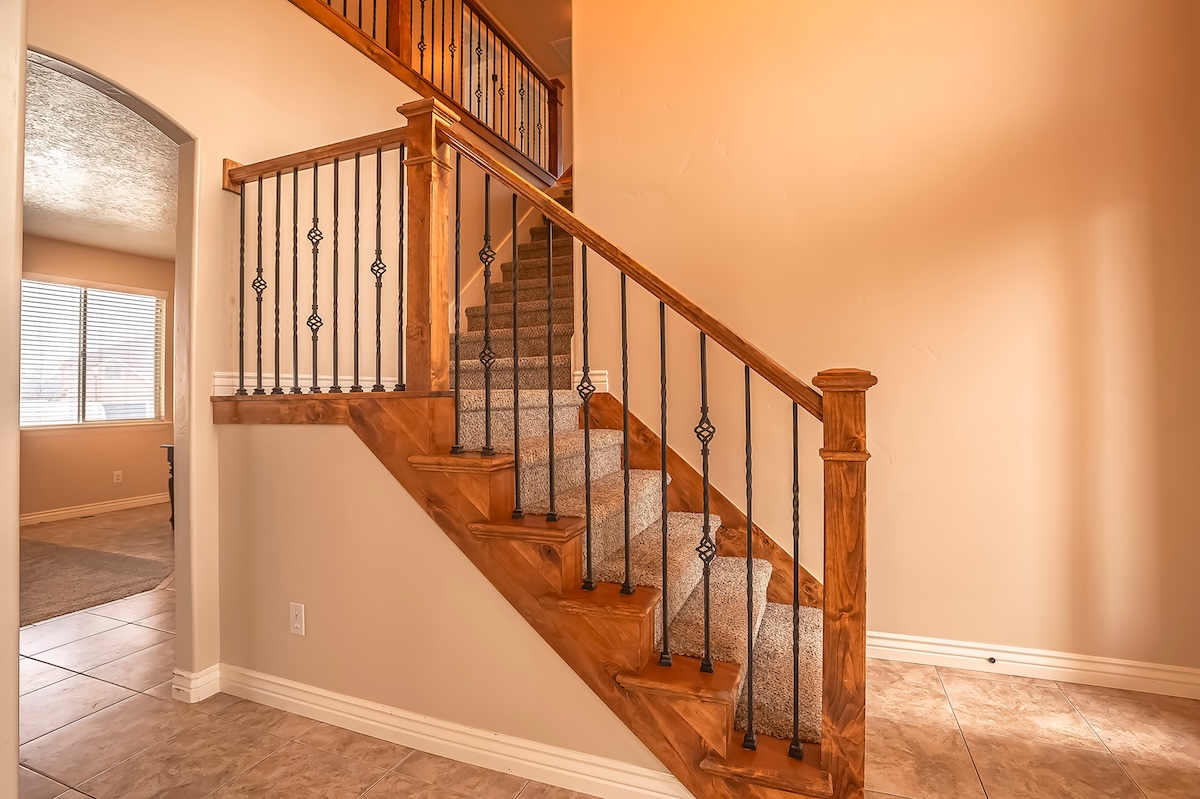
HUD’s NSPIRE standards, governing housing quality for subsidized properties, mandate specific requirements for handrails in multi-family housing. According to these standards, handrails must be present in all locations where there are four or more risers. These include staircases and exterior steps. Handrails must be securely attached, continuous throughout the stair flight, and easily graspable. These elements ensure safety and accessibility for all tenants, particularly those with mobility challenges.
For instance, a property in Columbus, Ohio, failed an NSPIRE inspection due to missing handrails on the rear exterior stairs, resulting in a deficiency point. This example highlights the importance of detailed pre-inspection checks. Rigorous adherence to these standards ensures tenant safety and avoids costly penalties and re-inspections.
Common Handrail Violations and How to Avoid Them
Common violations during HUD handrail inspections include loose or improperly secured handrails, non-continuous handrails, and those constructed from non-durable materials. To avoid such pitfalls, property managers should conduct regular inspections to check the integrity and compliance of existing handrails. Repairs or installations should strictly adhere to NSPIRE guidelines.
Utilizing durable materials such as metal or treated wood can prevent deterioration over time, a frequent cause of inspection failures. Maintaining a log of handrail inspections provides a historical record, useful in preventing potential issues and demonstrating proactive management during NSPIRE assessments.
Preparation Tips for Successful Handrail Inspections
Preparation is crucial for passing HUD handrail inspections without costly delays or failures. Property managers are encouraged to conduct mock inspections ahead of scheduled NSPIRE evaluations. During these, focus on areas that commonly fail, like the handrails on less frequently used stairs, such as those at service entrances.
Using resources like compliance checklists and digital tools can streamline the process, ensuring no detail is overlooked. For instance, a checklist might include verifying handrail height, ensuring all screws and brackets are secure, and confirming the handrail runs the entire length of the staircase.
Partnering with Experts for Continuous Compliance
Internal efforts are essential, yet partnering with experienced consultants can significantly enhance inspection readiness and compliance. The Inspection Group offers expert training and consulting services tailored to property management teams in affordable housing sectors. Leveraging expert knowledge ensures your properties not only pass inspections but exceed expectations in safety standards.
In mastering HUD handrail inspection standards, understanding specific requirements, avoiding common violations, and adequately preparing for inspections are crucial. Through thorough preparation and expert assistance, property managers and landlords can ensure compliance, enhance tenant safety, and streamline operations. Contact The Inspection Group for comprehensive training, inspection, and compliance assistance tailored to your property’s unique needs.